Home » Orca hunting a Pygmy Sperm Whale Near Madeira
Orca hunting a Pygmy Sperm Whale Near Madeira
A Once-in-a-Lifetime Moment on the Water
Killer Whale Attack in Madeira
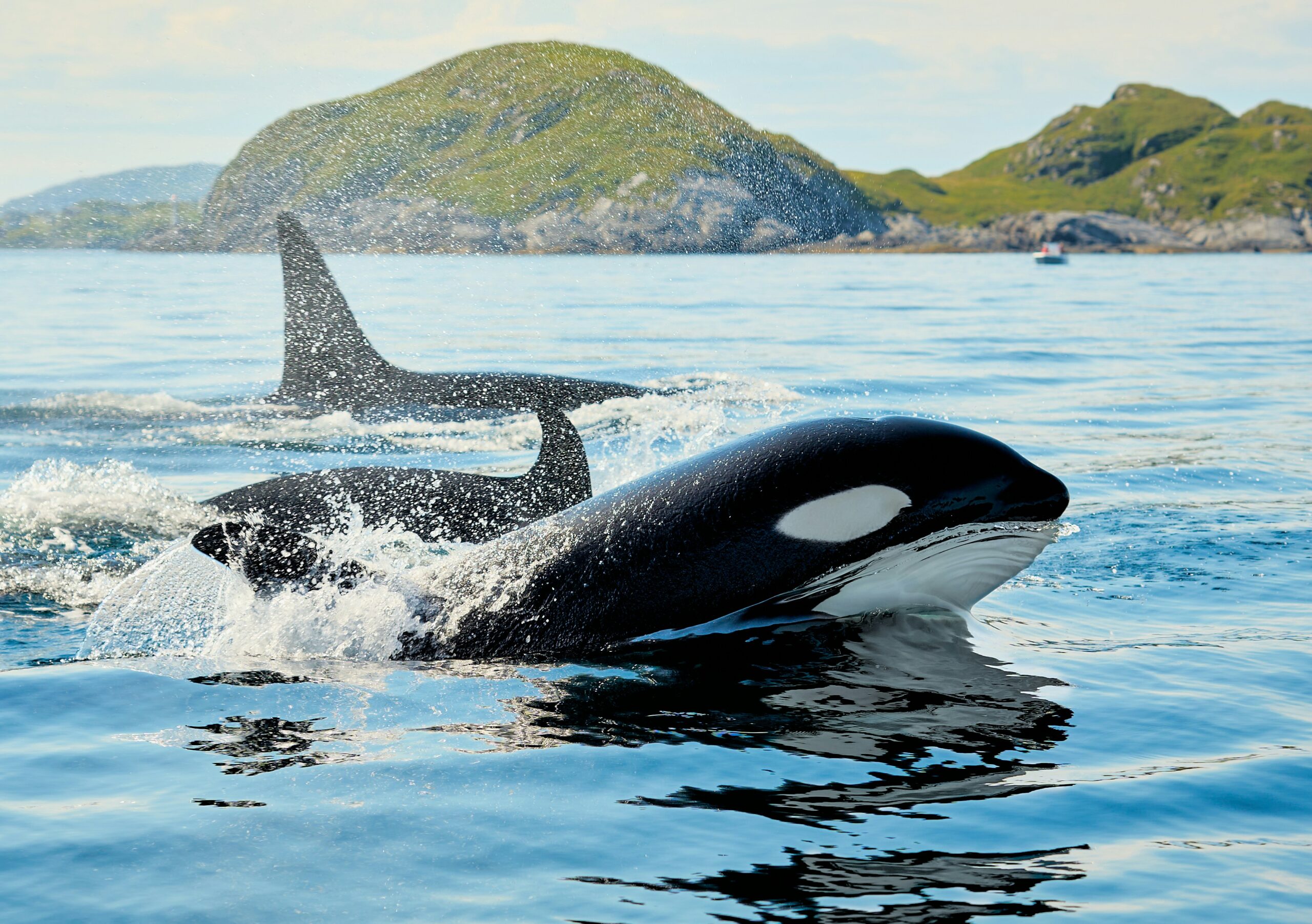
Whale watchers off the coast of Madeira, Portugal, witnessed a scene few people on Earth have ever seen. As their boat approached a strange 80-foot cloud of red-brown liquid, a pod of orcas suddenly appeared — and one of them hurled a small whale into the air.
Seconds later, the water churned as another orca pushed the struggling animal underwater, preventing it from surfacing. The passengers watched in disbelief as the pod worked together with precision and force.
One orca even approached the boat holding the prey in its mouth, as if to show the observers: Look what we caught.
“I never thought for a second it was going to be a mammal,” says Camila Alejandra Dávila Pardo, the marine biologist who filmed the encounter.
What she didn’t realize at that moment: she had captured the first known evidence of orcas hunting a marine mammal in Madeira — and only the fourth documented case worldwide of orcas killing a pygmy sperm whale.
Video by Camila Dávila Pardo
...
Not Blood: A Clever Defense Strategy
At first glance, the huge cloud in the water looked like blood. But scientists quickly recognized something else entirely.
When threatened, pygmy sperm whales release a dark reddish intestinal fluid, creating a giant underwater smokescreen. It’s meant to confuse predators long enough for the whale to escape — similar to how squids eject ink.
But orcas aren’t easy to fool.
With powerful echolocation, they can “see” through murky water using sound. As Dávila Pardo puts it:
“It’s like having a military submarine tracking you.”
This deep-diving species usually lives far from shore, in waters over 400 meters (1,300 feet) deep, making sightings extremely rare.
Why This Killer Whale Attack Discovery Matters
Orcas are only seen around Madeira a few times each year, and scientists know very little about them. Until now, no one had recorded orcas hunting marine mammals in the region.
Researchers familiar with local marine life — including experts from Whale and Dolphin Conservation and CIRCE — say they are unaware of any earlier records of orcas attacking pygmy sperm whales in Madeira.
In nearby regions like the Azores and the Canary Islands, orcas have been observed hunting other whales and dolphins. But seeing this behavior in Madeira was still a major surprise.
This new evidence suggests that Madeira’s orcas may hunt mammals, not just fish. That could mean they belong to (or behave like) a little-studied marine-mammal-eating ecotype.
A Pod with No Identity — Yet
Another fascinating twist: none of the three orcas matched existing photo-ID catalogs from the Madeira Whale Museum or the global citizen-science database Happywhale.
This means the animals may be transient orcas — travelers moving between far-flung regions in the Atlantic.
Adding these “mystery orcas” to scientific records will help researchers track orca movement across entire ocean basins.
Could This Killer Whale Attack Be a Problem for Endangered Monk Seals?
Madeira is home to one of the world’s most endangered marine mammals: the Mediterranean monk seal. Only around 30 adults live in the region.
If local orcas are indeed feeding on marine mammals, experts are asking an urgent question:
Could monk seals become potential prey?
It’s too early to know — and there is no evidence of that happening. But the new observation highlights the need for closer monitoring.
Clues from the Ocean: A Bigger Predator Might Be Near
The day of the attack had already been unusual.
Earlier that morning, Dávila Pardo saw pilot whales swimming alongside beaked whales, a pairing she had never witnessed before. Normally, these species don’t mix.
She wondered if something — or someone — was in the area causing smaller whales to group together for protection.
She was right. The orcas appeared shortly after.
Around the world, different orca ecotypes specialize in different prey:
Some hunt only fish
Others go for sharks
And some feed on seals, dolphins, and whales
The sighting in Madeira adds a new piece to this global puzzle of orca behavior.
A Call to Action for Ocean Lovers
Dávila Pardo hopes this discovery encourages locals and visitors to share any orca sightings with researchers.
“These are our orcas. Have you guys seen them around? We need help.”
More photos, videos, and reports will help scientists understand:
Which orcas visit Madeira
Whether they regularly hunt mammals
How often they appear
Whether they pose risks to other endangered species
For now, the video offers a rare, dramatic glimpse into the life of one of the ocean’s most mysterious predators — and a reminder of how much we still have to learn.