We are for Whales, Dolphins, Turtles, fish and marine Birds!
We are for tales of the big Blue! On Tales!
We are for people…
And Marine Protection!
Marine Protection in Madeira
Madeira is one of Europe’s most remarkable destinations for whale and dolphin watching. The deep Atlantic waters surrounding Madeira host more than 25 cetacean species throughout the year, making the island a global hotspot for marine biodiversity.
But with this privilege comes responsibility.
Responsible whale watching in Madeira must prioritize marine protection, ecosystem preservation, and long-term sustainability. At OnTales, marine conservation is not a marketing concept — it is the foundation of our operations, educational approach, and daily decision-making.
This page is our sustainability authority hub, bringing together everything you need to understand how ethical whale watching protects Madeira’s marine life.
The ocean floor around Madeira drops dramatically just a few hundred meters from shore. This unique underwater geography creates ideal conditions for both resident and migratory species. Frequently sighted species include: Pilot whales, Sperm whales, Bottlenose dolphins and Atlantic spotted dolphins
This biodiversity makes Madeira a premier location for whale watching — but it also increases the need for strict responsible tourism standards.
Unregulated marine tourism can disturb wildlife, alter natural behavior, and increase stress levels in cetaceans. Sustainable whale watching ensures that encounters remain respectful, controlled, and conservation-focused.
Marine protection in Madeira means safeguarding habitats today so that future generations can continue to experience these extraordinary animals in the wild.
What Responsible Whale Watching Really Means
Responsible whale watching in Madeira is guided by three core principles:
1. Respectful Wildlife Interaction
Boats must maintain regulated distances, avoid sudden course changes, and never chase or encircle animals.
2. Education Before Observation
Understanding marine biology reduces harmful behavior. Informed guests become responsible observers.
3. Conservation Over Commercial Pressure
Animal welfare always takes priority over sightings.
These standards align with international best practices for ethical whale watching and Madeira’s regional regulations.
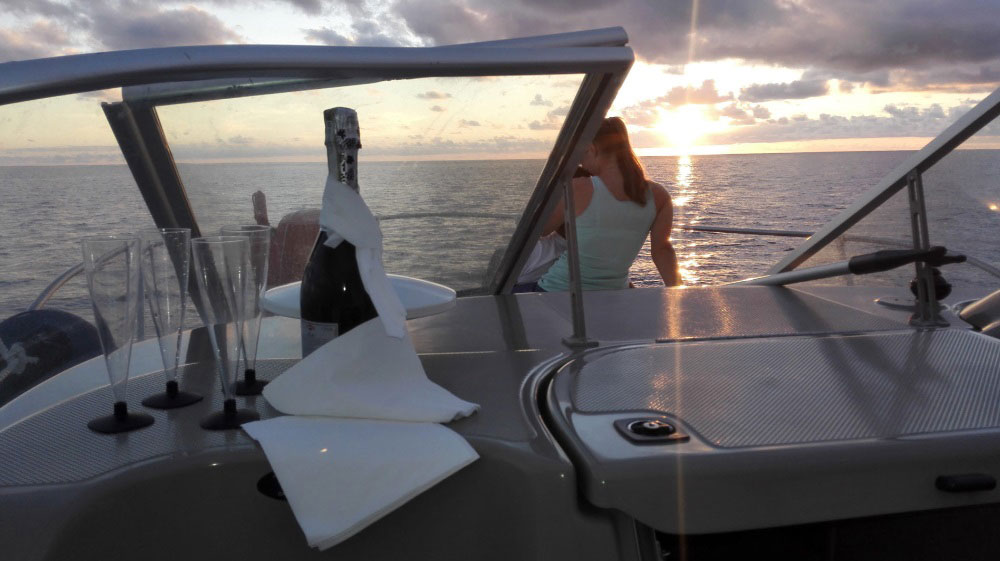
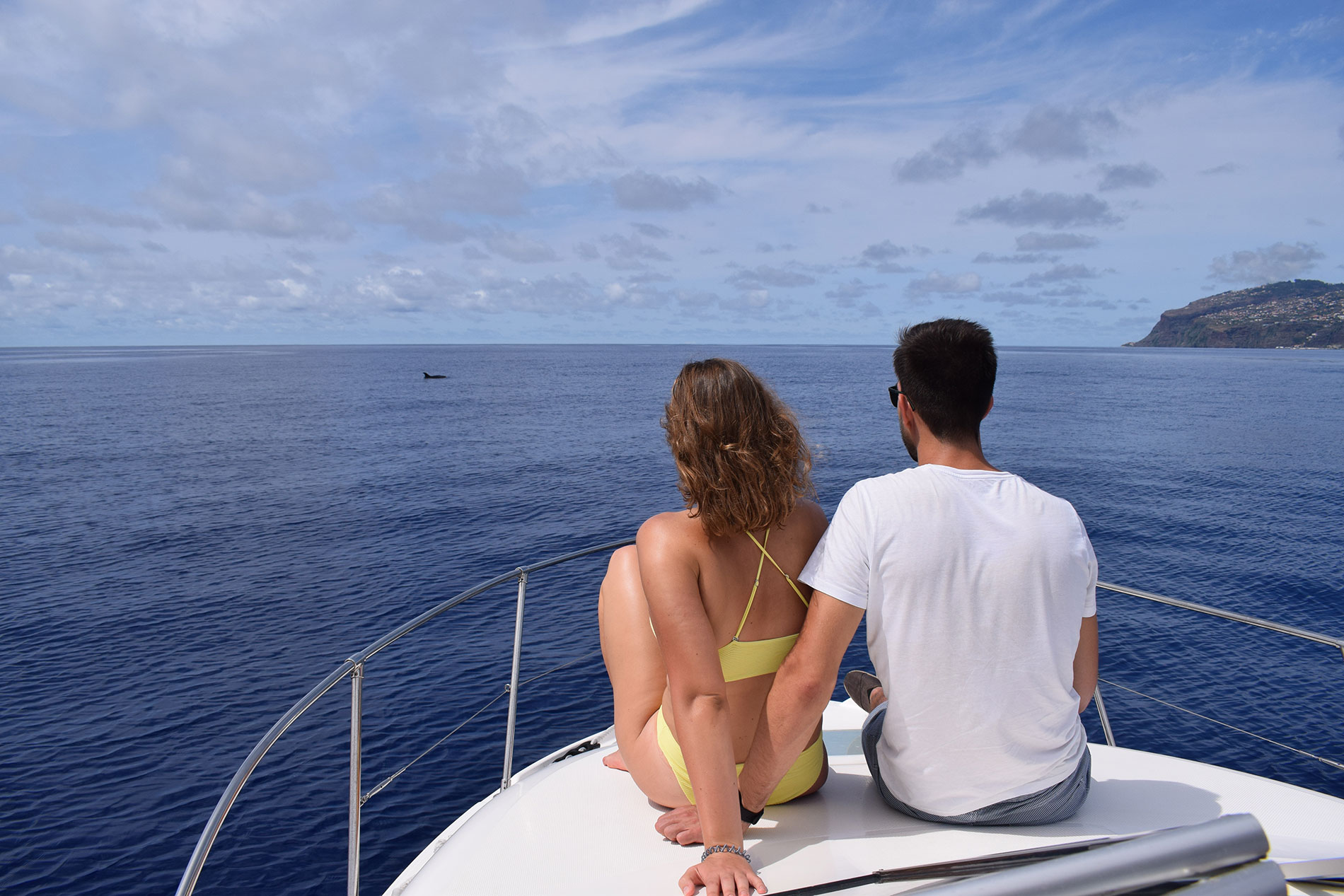
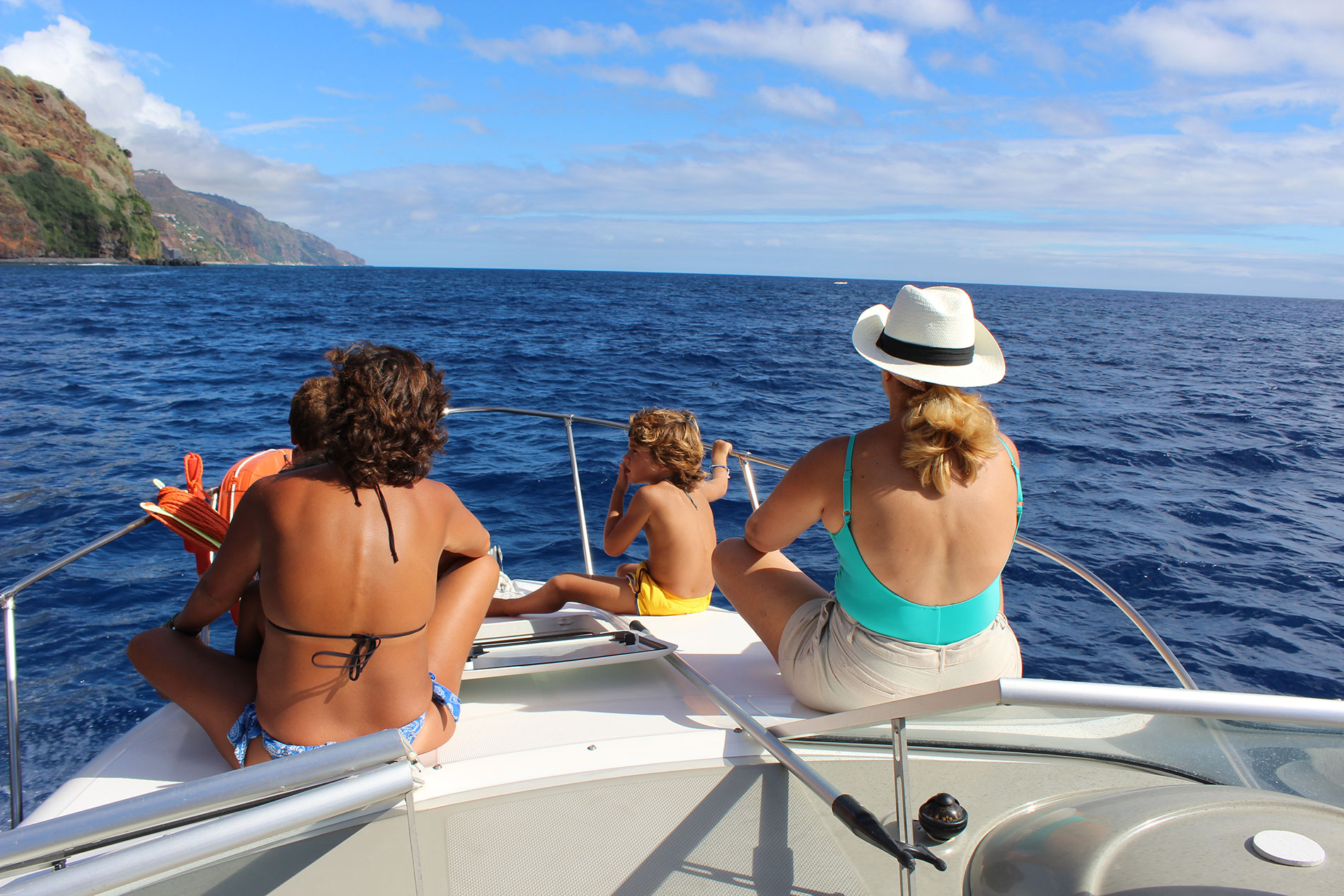
We have collected thousands of memories.
Join Us on our next tour on the Atlantic!

Blue Flag Certification & Environmental Standards
Environmental credibility requires measurable standards.
The Blue Flag is one of the world’s most respected eco-label programs for beaches and marinas. It evaluates:
1.Water quality
2.Environmental management
3.Safety requirements
4.Environmental education initiatives
Understanding what certifications represent helps travelers distinguish genuine sustainability efforts from greenwashing.
Marine protection in Madeira is strongest when environmental claims are transparent, verifiable, and measurable.
Sustainable Tourism in Madeira’s Marine Environment
Sustainable tourism prioritizes ecosystem health over short-term economic gain. In the marine context, this means:
-Limiting group sizes
-Avoiding overcrowding around wildlife
-Reducing noise pollution
-Supporting environmental education
-Promoting responsible guest behavior
Madeira’s marine ecosystem is a shared responsibility. Operators, travelers, and local authorities all play a role in protecting the Atlantic waters that define the island.
Our Long-Term Vision for Marine Protection in Madeira
Marine conservation is not static.
Climate change, increasing tourism demand, and global ocean pressures require adaptive, science-based management. Responsible whale watching must evolve alongside ecological knowledge.
Our long-term commitment includes:
-Continuous training
-Alignment with updated sustainability guidelines
-Transparency in operations
-Promoting ocean literacy among visitors
Our goal is simple:
To ensure that whale watching in Madeira remains ethical, educational, and ecologically responsible for decades to come.