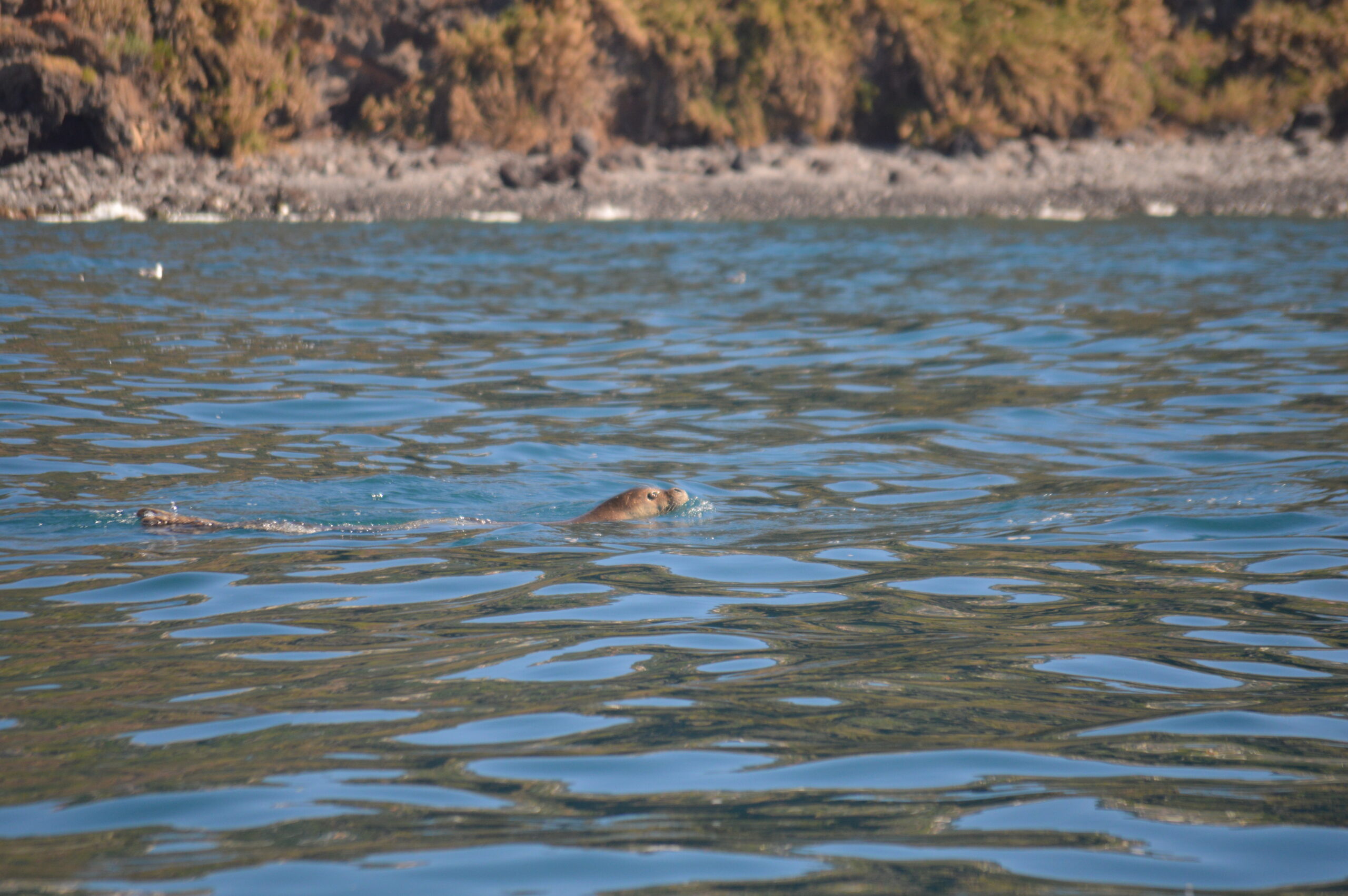
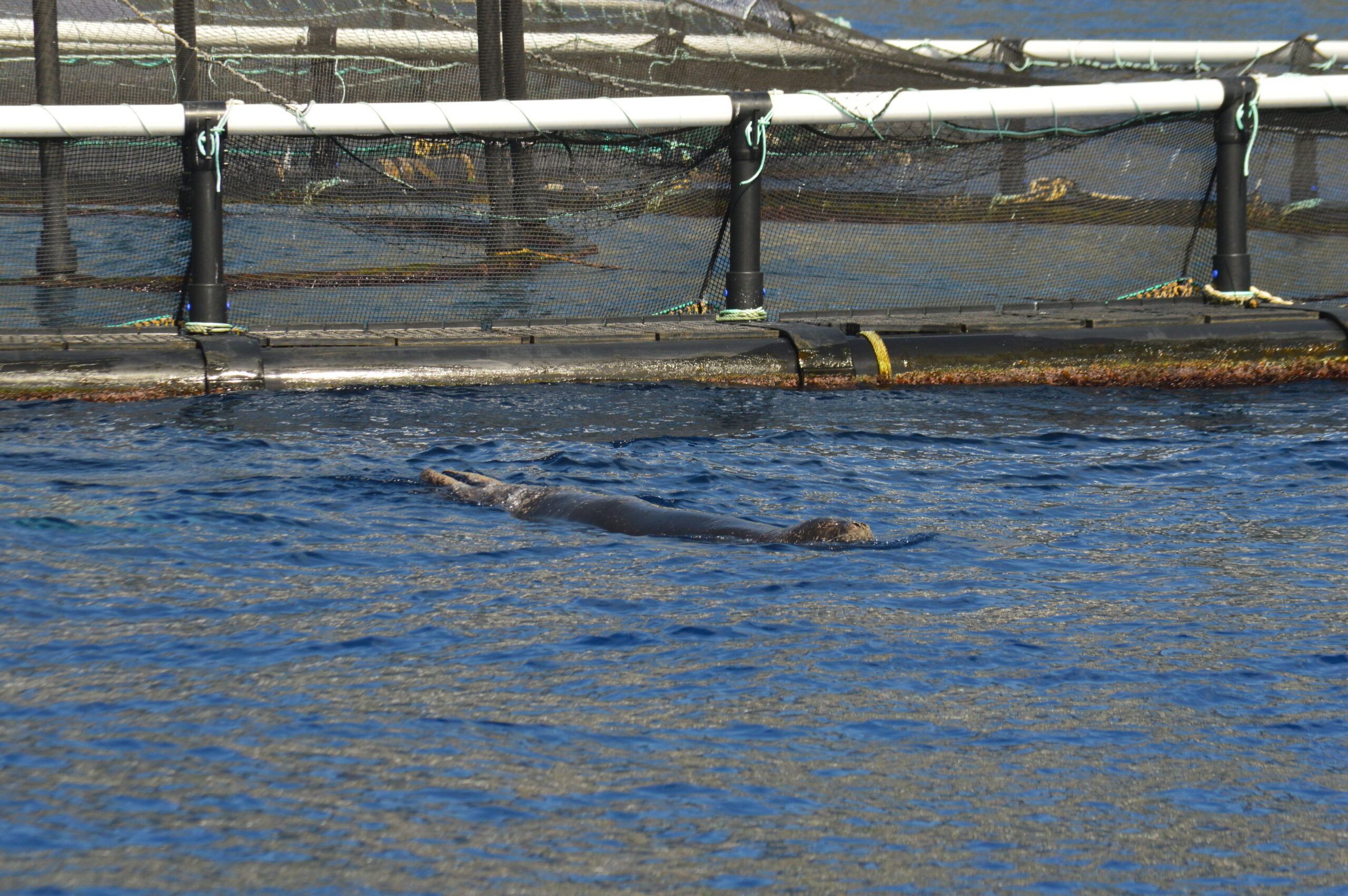
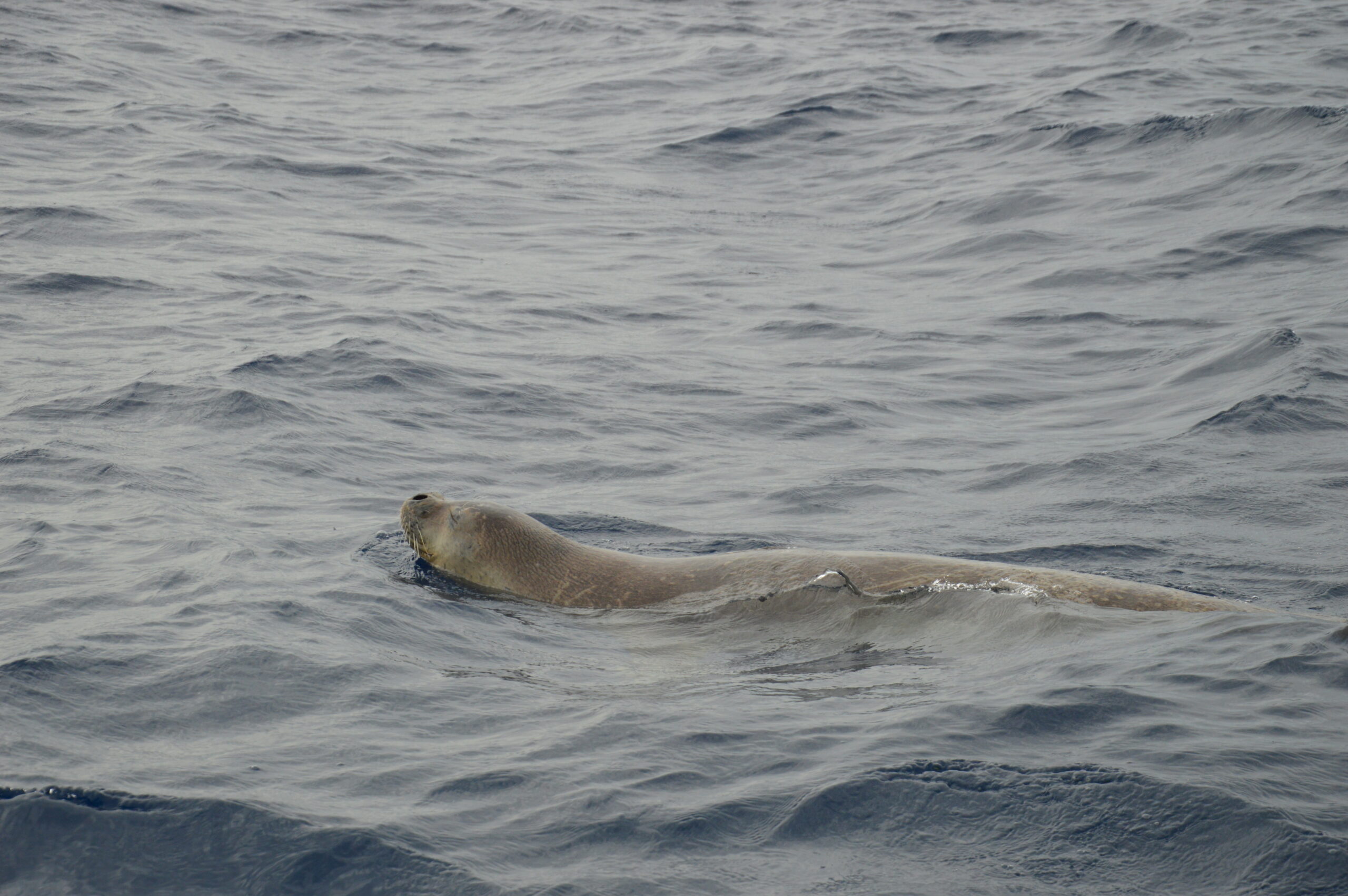
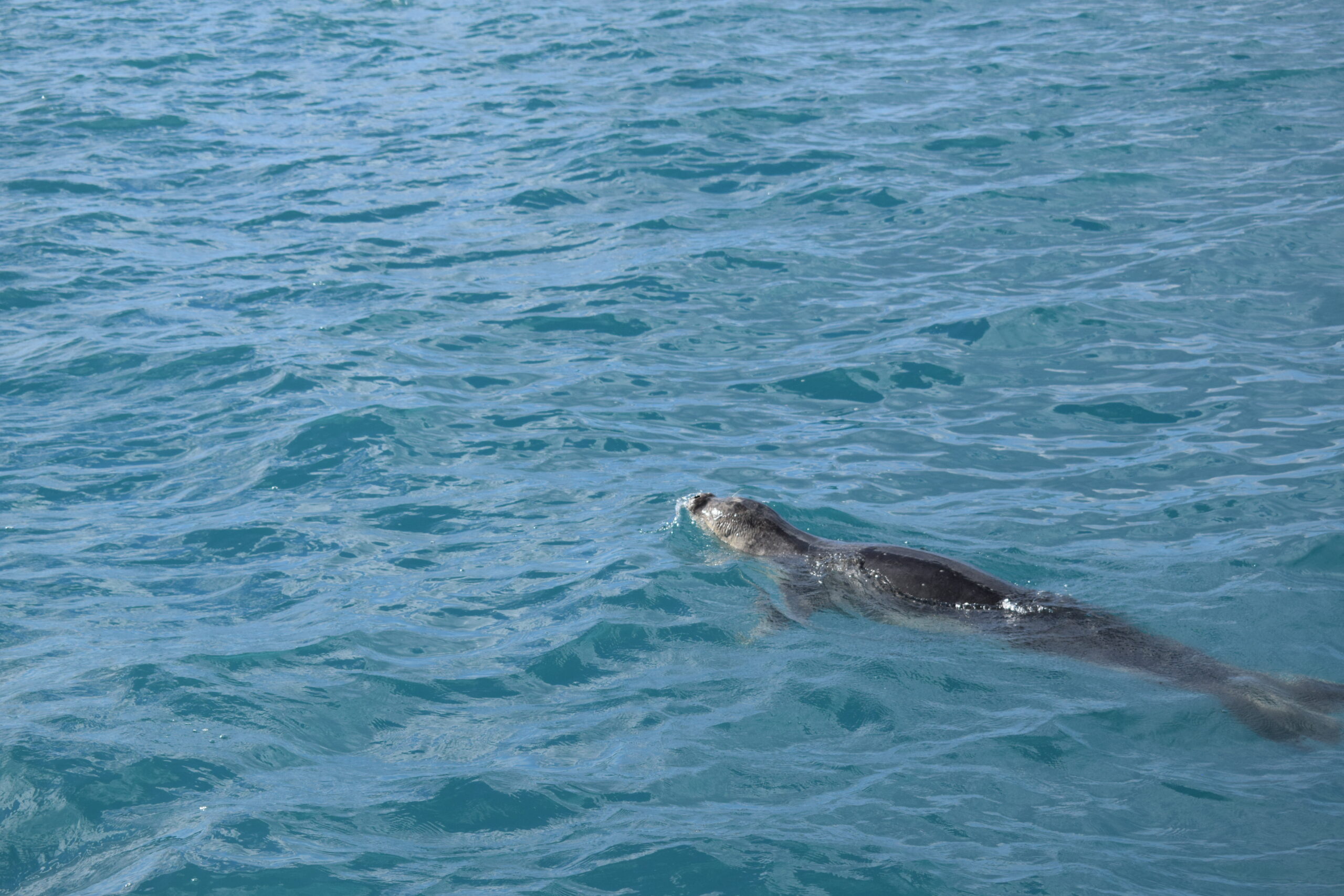
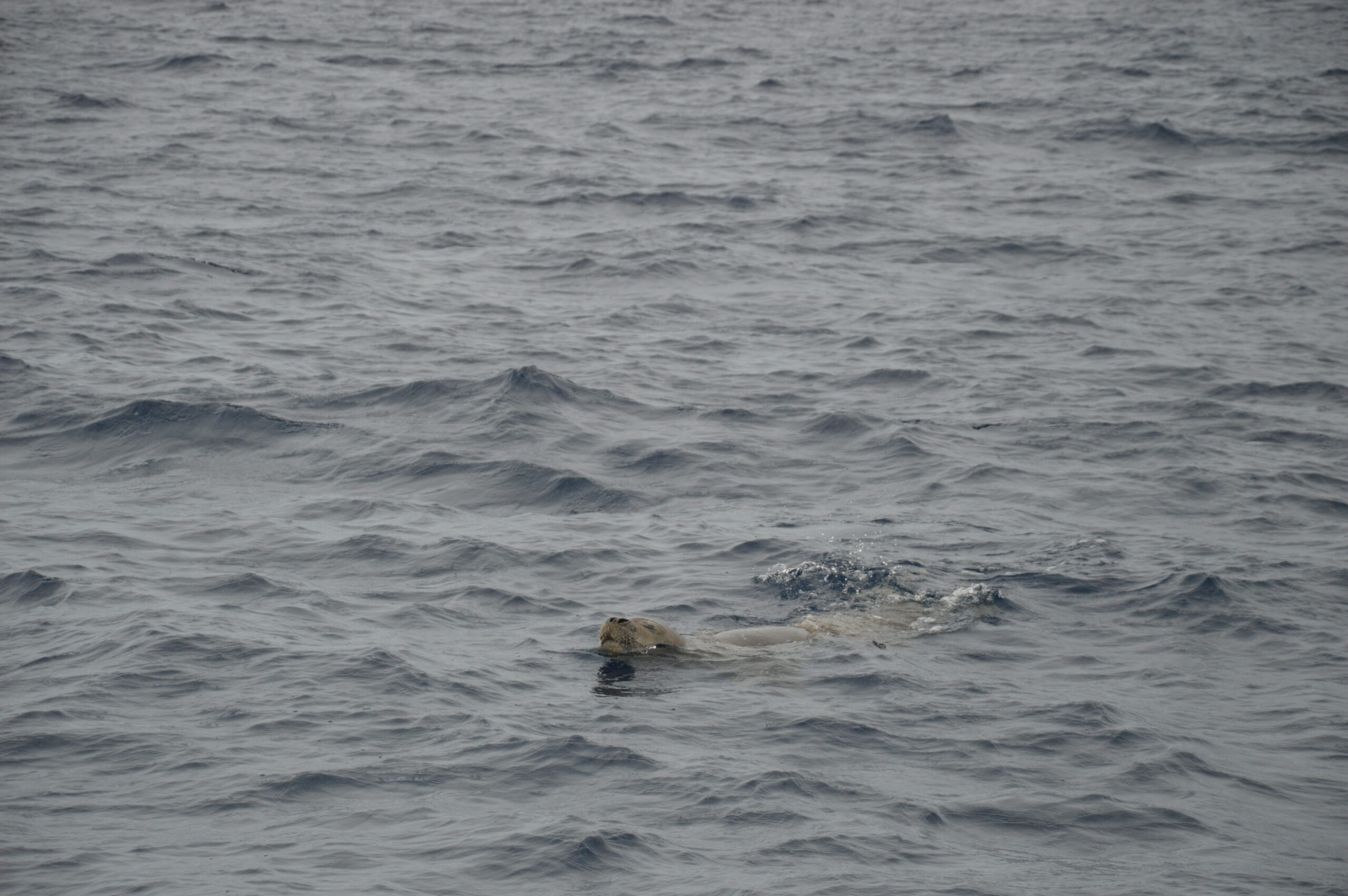
The Mediterranean monk seal (Monachus monachus) is one of the rarest marine mammals in the world and a true symbol of untouched oceans. This endangered seal species can occasionally be found in remote coastal areas of the Mediterranean and the eastern Atlantic, including regions around Madeira.
At On Tales, we are passionate about marine wildlife and responsible whale watching. While monk seal sightings are extremely rare, learning about this species helps raise awareness for ocean conservation and the protection of fragile marine ecosystems.
Fun Fact
The Mediterranean monk seal is considered one of the rarest seals on Earth. Some local populations consist of only a few dozen individuals, making every confirmed sighting scientifically important.
...
What Is the Mediterranean Monk Seal?
The Mediterranean monk seal is a large, true seal belonging to the family Phocidae. Once widespread across the Mediterranean Sea, the Black Sea, and the Atlantic coast of northwest Africa, its population has drastically declined due to human activity.
Today, monk seals prefer isolated coastlines and sea caves, where they can rest and raise their pups with minimal disturbance.
Monk Seal Facts at a Glance
Feature
Information
Scientific name
Monachus monachus
Common name
Mediterranean monk seal
Average length
2.3–2.5 meters
Average weight
250–315 kg
Lifespan
20–30 years
Diet
Fish, octopus, crustaceans
Habitat
Coastal waters, sea caves
Conservation status
Endangered
Estimated population
Fewer than 1,000 individuals worldwide
Why Are Mediterranean Monk Seals Endangered?
Several factors have contributed to the dramatic decline of monk seals:
Loss of coastal habitat due to tourism and construction
Disturbance of breeding caves
Accidental entanglement in fishing gear
Overfishing, reducing available prey
Historical hunting and persecution
Because of these threats, monk seals have become extremely cautious around humans and are rarely seen.
Monk Seal Behavior and Characteristics
Monk seals are mostly solitary animals
Females give birth in secluded marine caves
Pups are dependent on their mothers for several months
They are skilled divers and hunters, feeding close to the coast
Unlike many seals, monk seals do not form large colonies
Monk Seals and Marine Life Around Madeira
Although monk seals are rarely observed, the waters around Madeira are rich in marine biodiversity. Dolphins, whales, turtles, and many other species are frequently encountered.
On Tales offers professional whale watching and marine wildlife tours, led by experienced guides who prioritize animal welfare and conservation.
Learn more about responsible marine tours and book your whale watching experience with On Tales here: https://ontales.com
Frequently Asked Questions (FAQ)
Are Mediterranean monk seals dangerous?
No. Monk seals are shy and non-aggressive. They generally avoid humans and prefer to stay hidden in remote areas. However it is advised to keep a distance especially when they want to protect their area.
Can you see monk seals on a whale watching tour?
Monk seal sightings are extremely rare and cannot be guaranteed. However, On Tales tours offer excellent opportunities to see whales, dolphins, and other marine species in their natural habitat.
What should I do if I see a monk seal?
You should keep a safe distance, avoid noise, and never attempt to approach or feed the animal. Observing from afar helps protect this endangered species.
Why is the Mediterranean monk seal so important?
As a top coastal predator, the monk seal plays an important role in maintaining healthy marine ecosystems. Protecting the species helps preserve ocean biodiversity as a whole.
Supporting Monk Seal Conservation
Choosing responsible wildlife tours, respecting marine habitats, and supporting conservation initiatives all contribute to the protection of endangered species like the Mediterranean monk seal.
By joining a whale watching tour with On Tales, you support sustainable tourism and gain a deeper understanding of the ocean and its incredible inhabitants.